Becoming a Marine Upholsterer: Everything You Need to Know About Professional Tools and Equipment Investment
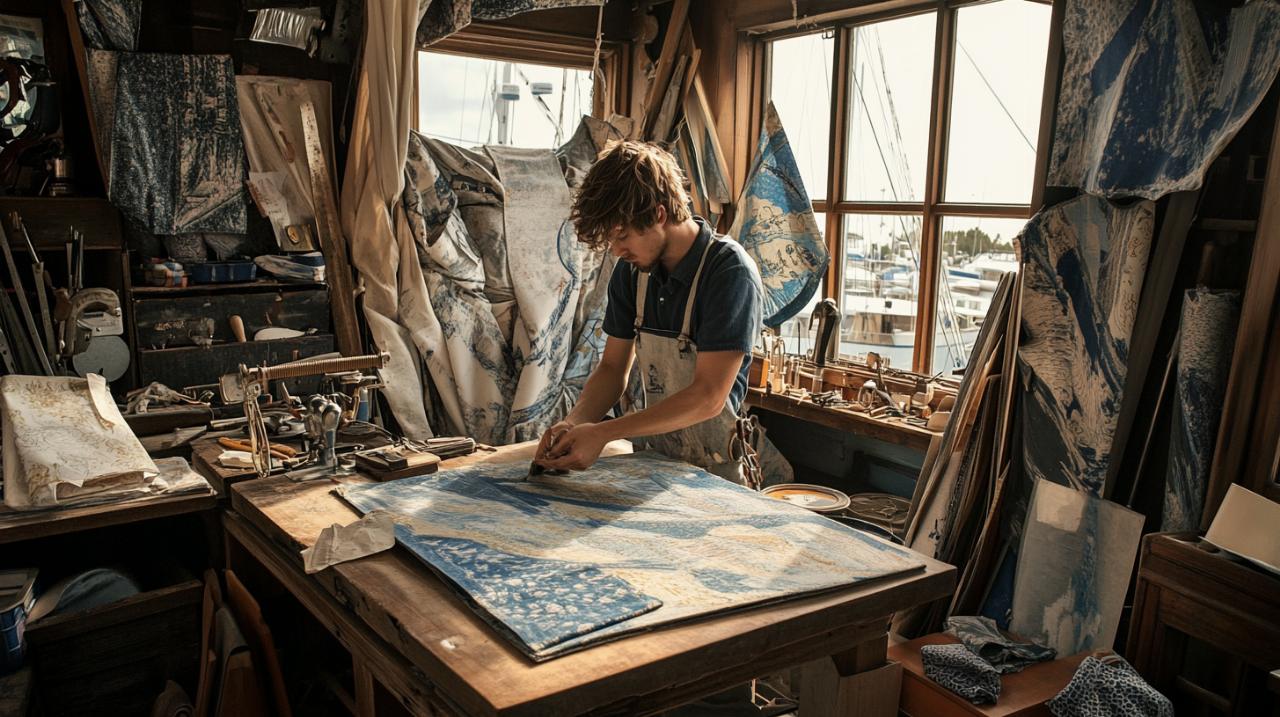
Embarking on a career as a marine upholsterer offers a unique blend of traditional craftsmanship and specialized expertise tailored to the demanding maritime environment. This profession requires not only a deep understanding of upholstery techniques but also a keen awareness of the materials and equipment that can withstand the harsh conditions at sea. From selecting resilient fabrics to investing in robust machinery, aspiring marine upholsterers must navigate a landscape where quality and durability are paramount. The journey involves mastering the art of upholstery whilst adapting to the specific needs of boats, yachts, and other watercraft, all whilst considering the global opportunities that this niche field presents.
Essential Materials and Threads for Marine Upholstery Craftsmanship
The foundation of any marine upholstery project lies in the careful selection of materials that can endure the relentless exposure to moisture, salt, ultraviolet rays, and fluctuating temperatures. Marine-grade fabrics are engineered to resist these environmental stressors, ensuring longevity and maintaining aesthetic appeal even after prolonged use. Upholsterers working in this sector must become intimately familiar with the properties of various textiles, including solution-dyed acrylics, vinyls, and specialised composites designed for outdoor and marine applications. These fabrics not only offer superior resistance to fading and mildew but also provide the tactile comfort expected in high-end vessel interiors.
Understanding marine-grade fabrics and their applications
Marine-grade fabrics distinguish themselves through their construction and treatment processes. Solution-dyed acrylic, for instance, integrates colour into the fibre itself rather than applying it to the surface, resulting in exceptional fade resistance and a soft, breathable texture. This makes it an ideal choice for cushions, upholstery panels, and canopies on deck. Vinyl, on the other hand, offers a robust, water-repellent surface that is easy to clean and maintain, making it suitable for seating areas that face direct exposure to spray and rain. Understanding the specific applications of each fabric type allows marine upholsterers to recommend and implement solutions that balance aesthetics, functionality, and durability. Knowledge of these materials forms a critical part of the profession, as selecting the wrong fabric can lead to premature wear, costly replacements, and dissatisfied clients.
Selecting professional-standard threads and fastening materials
Beyond the fabric itself, the threads and fastening materials used in marine upholstery must also meet rigorous standards. Threads designed for marine environments are typically manufactured from polyester or nylon, both of which offer excellent resistance to rot, mildew, and ultraviolet degradation. These threads must possess sufficient tensile strength to withstand the constant stress and movement experienced on a vessel. Additionally, marine upholsterers often employ stainless steel staples, marine-grade adhesives, and corrosion-resistant zippers to ensure that every component of the upholstery remains intact and functional over time. The choice of thread weight and type can significantly impact the durability of seams, particularly in areas subject to high tension or frequent use. Mastery of these materials is essential for producing work that not only looks professional but also stands the test of time in a challenging marine environment.
Professional equipment investment: tools that define quality workmanship
Investing in the right tools and equipment is a defining factor in the success of a marine upholstery business. The transition from hobbyist to professional often hinges on the acquisition of machinery and instruments capable of handling heavy-duty fabrics and delivering consistent, high-quality results. Industrial-grade sewing machines, cutting tools, and finishing equipment represent substantial financial commitments, yet they are indispensable for meeting the demands of commercial marine upholstery work. Understanding which tools are essential and how to use them effectively is a crucial step in establishing a credible and profitable enterprise.
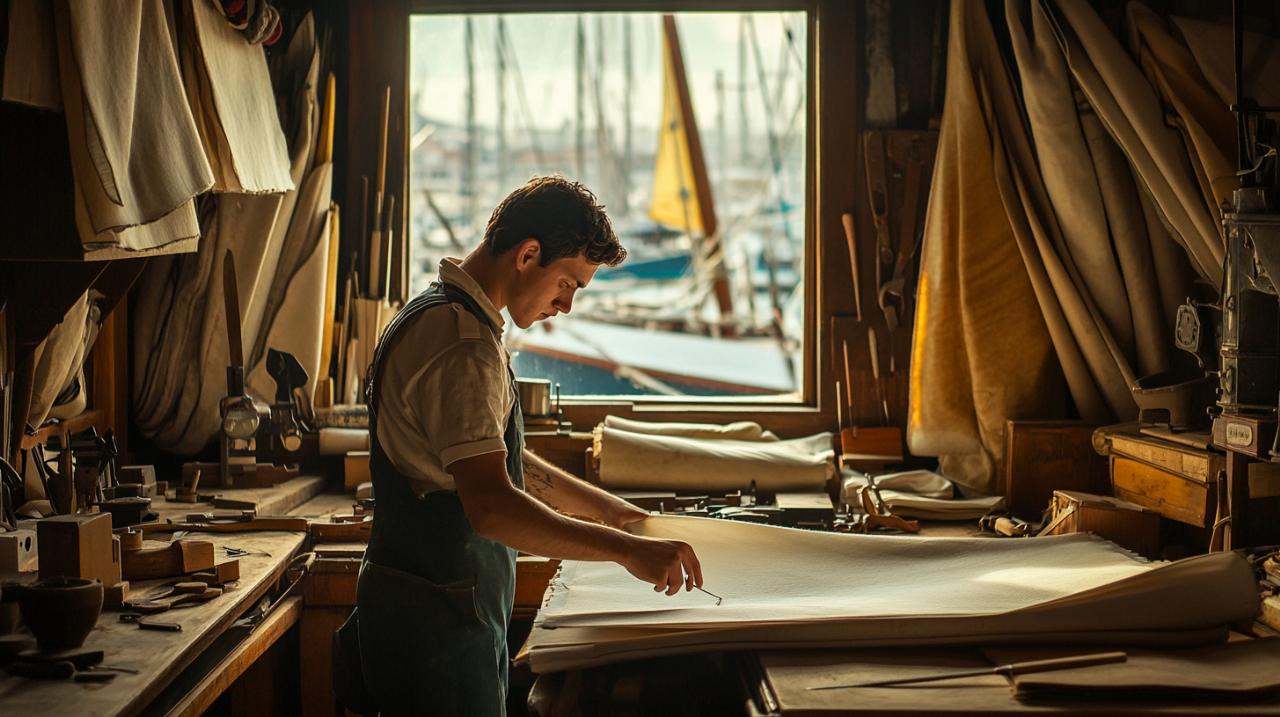
Industrial sewing machines and specialised marine upholstery apparatus
At the heart of any marine upholstery workshop is an industrial sewing machine designed to handle thick, resilient materials with ease. Unlike domestic machines, industrial models feature powerful motors, adjustable stitch lengths, and heavy-duty needles capable of penetrating multiple layers of canvas, vinyl, and foam without skipping stitches or causing damage. Walking foot sewing machines, which feed fabric evenly from both the top and bottom, are particularly favoured in marine upholstery for their ability to manage slippery or uneven materials. Additionally, specialised apparatus such as heat sealers, ultrasonic welding equipment, and pneumatic staplers allow upholsterers to achieve seamless joins and secure fastenings that meet marine specifications. These machines represent a significant upfront cost, but their durability and precision make them a worthwhile investment for anyone serious about pursuing a career in this field.
Hand Tools and Finishing Equipment for Precision Work
While industrial machinery forms the backbone of production, hand tools and finishing equipment are equally important for achieving the meticulous detail that distinguishes superior marine upholstery. High-quality scissors, rotary cutters, and utility knives enable precise fabric cutting, whilst hog ring pliers, webbing stretchers, and upholstery hammers facilitate the assembly and tensioning of materials. Measuring tapes, templates, and marking tools ensure accuracy in pattern making and layout, reducing waste and improving efficiency. For finishing touches, tools such as heat guns for shrink-wrapping, edge trimmers, and upholstery brushes contribute to a polished, professional appearance. Acquiring a comprehensive toolkit requires careful planning and budgeting, as the quality of hand tools can vary widely. Investing in reliable, ergonomically designed instruments not only enhances the quality of workmanship but also reduces fatigue and the risk of injury during long hours in the workshop.
Career Pathways and Global Opportunities in Marine Upholstery
The marine upholstery profession offers diverse career pathways, from independent entrepreneurship to employment within established yacht manufacturers, marinas, and refurbishment companies. As the global boating industry continues to expand, driven by rising interest in recreational sailing and luxury yachting, the demand for skilled marine upholsterers remains robust. Understanding the various avenues for career development and the geographical centres of opportunity can help aspiring professionals chart a course towards a rewarding and sustainable livelihood in this specialized trade.
Practical training resources and first-hand experience guidance
Gaining practical experience is essential for mastering the nuances of marine upholstery, and several resources are available to support those entering the field. Vocational training programmes, apprenticeships, and hands-on workshops provide invaluable opportunities to learn under the guidance of experienced professionals. Many industry veterans offer mentorship and on-the-job training, allowing newcomers to develop their skills in real-world settings. Online forums, instructional videos, and industry publications also serve as useful references for staying abreast of new techniques, materials, and trends. By actively seeking out these learning opportunities and engaging with the marine upholstery community, aspiring craftspeople can build a solid foundation of knowledge and competence that will serve them throughout their careers.
Worldwide employment prospects and industry connections
Marine upholstery skills are in demand across the globe, particularly in regions with thriving maritime industries. Coastal cities and towns with active marinas, boat builders, and yacht clubs present abundant employment opportunities for qualified upholsterers. In the United Kingdom, ports such as Southampton, Portsmouth, and Falmouth are hubs for marine craftsmanship, whilst international destinations including the Mediterranean, the Caribbean, and the Pacific islands offer seasonal and year-round positions. Networking through industry associations, attending boat shows, and maintaining an online portfolio can help professionals connect with potential employers and clients. The ability to travel and work in diverse locations adds an element of adventure to the profession, making marine upholstery an appealing choice for those who value both craftsmanship and the freedom to explore the world whilst plying their trade.