Complete Guide to Level 1 Diving Certification: Understanding the Required Age and Training Standards in the UK
Embarking on the journey to become a certified diver opens up a world of underwater exploration and adventure. Whether you're drawn to the vibrant marine life of tropical reefs or the mysterious depths of inland waters, obtaining your initial diving qualification is the first step towards discovering these hidden realms. Understanding the necessary age requirements, training standards, and safety protocols is essential for anyone considering this exciting pursuit, particularly within the framework of recognised training organisations operating throughout the United Kingdom.
- The minimum age to start scuba diving certification is generally ten years old, with specialized programs available for children aged eight to fifteen.
- Prospective divers must pass a swimming assessment, which includes swimming 200 meters and treading water for ten minutes, alongside a health screening.
- Level 1 certification, also known as Open Water, consists of theory, confined water practice, and open water dives, usually completed over three to four days.
- Training covers critical skills such as equipment handling, buoyancy control, mask clearing, and emergency procedures under the supervision of qualified instructors.
- Beginner divers are typically restricted to a maximum depth of eighteen meters (sixty feet) to ensure safety and manage risks.
- Dive centers maintain small student-to-instructor ratios to provide personalized attention, with a standard limit of six students per instructor.
- Successful certification provides a globally recognized qualification that allows divers to explore underwater environments independently or with a buddy.
Minimum Age Requirements and Prerequisites for Level 1 Diving Certification
Age eligibility criteria for beginning your diving journey
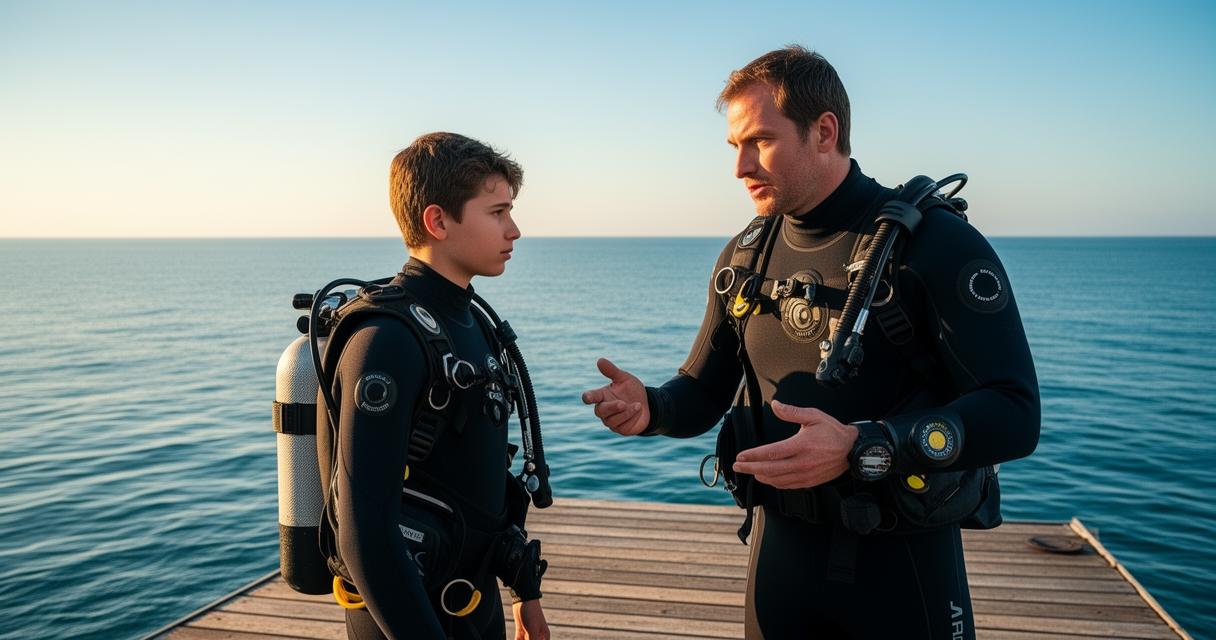
The minimum age for undertaking scuba diving certification is typically set at ten years, allowing young enthusiasts to begin their underwater adventures under appropriate supervision and training. This age threshold reflects the balance between physical capability, comprehension of safety protocols, and the maturity required to follow instructions in an aquatic environment. Children aged eight to fifteen can access specialised courses designed specifically for their developmental stage, ensuring that training is both age-appropriate and engaging. These programmes are tailored to accommodate younger learners whilst maintaining the rigorous safety standards expected across the diving industry. The Professional Association of Diving Instructors offers structured pathways that cater to different age groups, ensuring that each participant receives instruction suited to their capabilities and understanding.
Physical and Medical Fitness Standards for Young Divers
Before commencing any diving training, prospective students must demonstrate a certain level of physical fitness to ensure their safety and comfort underwater. A standard swimming requirement involves completing a distance of two hundred metres or yards, followed by ten minutes of treading water without assistance. This assessment confirms that candidates possess adequate aquatic skills and stamina to manage themselves in the water. Additionally, specific medical requirements must be met, with guidance provided for individuals who have pre-existing health conditions. Diving medical examinations are particularly important for those entering professional or commercial diving sectors, where medical certificates remain valid for twelve months. For recreational divers, a thorough health questionnaire helps instructors identify any potential concerns that might affect participation. Ensuring that all participants meet these physical and medical standards is a fundamental aspect of maintaining safety throughout the training process.
Core Training Objectives and Skills Development in Level 1 Programmes
Essential techniques and knowledge areas covered during training
Level 1 diving certification, commonly referred to as Open Water certification, encompasses three primary phases that build competence and confidence. The first phase involves knowledge development, where students engage with diving theory covering topics such as equipment function, underwater physics, dive planning, and safety procedures. This theoretical component typically requires around ten hours of study and lays the foundation for safe diving practices. The second phase consists of confined water dives, usually conducted in swimming pools, where learners practise essential skills in a controlled environment. These sessions allow students to become comfortable with diving equipment, including mask and fins, regulators, and buoyancy control devices, whilst mastering fundamental techniques such as equalisation, breathing control, and emergency procedures. The final phase involves open water dives in natural environments such as oceans, rivers, or inland bodies of water, where students apply their skills in real-world conditions under the supervision of qualified instructors. Courses generally span three to four days, depending on individual progress and the specific schedule of the dive centre. Throughout this journey, participants develop not only technical skills but also an understanding of environmental considerations and responsible diving practices.
Practical assessment standards and competency requirements
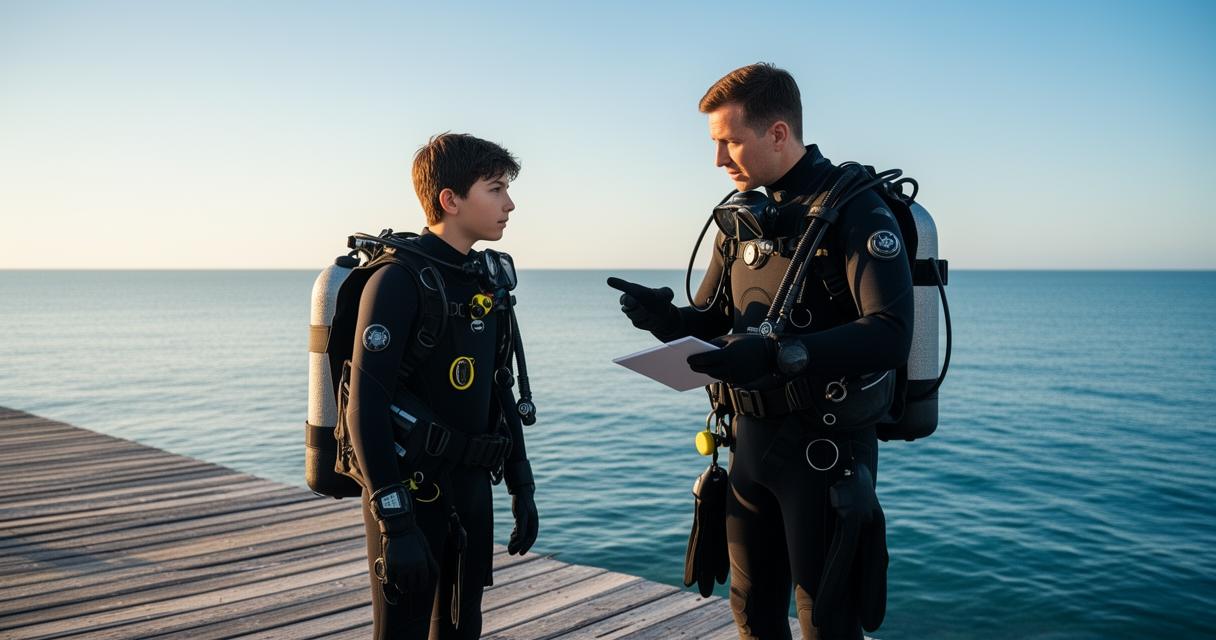
Successful completion of Level 1 certification requires students to demonstrate competency across a range of practical skills assessed during training sessions. These assessments ensure that divers can manage their equipment effectively, respond appropriately to potential challenges, and dive safely within specified depth limitations. For beginner divers, the maximum depth is often set at eighteen metres or sixty feet, a restriction designed to minimise risks associated with greater depths whilst allowing ample opportunity for exploration and enjoyment. Students must show proficiency in skills such as clearing a flooded mask, recovering a lost regulator, controlling buoyancy, and executing safe ascents and descents. Instructors evaluate each participant's readiness to dive independently or with a buddy, ensuring that all safety protocols have been internalised. Dive centres maintain a maximum student-to-instructor ratio, typically six students per instructor, though class sizes of three to four are more common. This approach ensures personalised attention and thorough skill development. All necessary diving equipment is provided during training, though students are encouraged to acquire personal items such as masks and snorkels for comfort and hygiene. Upon successful completion, participants receive worldwide recognised certification, enabling them to dive at numerous locations globally and continue their education through advanced courses.
Supervision Standards and Safety Protocols for Novice Divers
Qualified instructor oversight and dive buddy systems
The safety of novice divers is paramount, and this is ensured through stringent supervision standards and the implementation of buddy systems. Qualified dive instructors guide students through every stage of their training, providing expert oversight and immediate assistance when needed. Instructors are trained to recognise signs of discomfort or difficulty and to intervene promptly to prevent incidents. The buddy system, a cornerstone of diving safety, pairs divers together so they can monitor each other throughout the dive, offering assistance and support as required. This system fosters a sense of mutual responsibility and enhances safety by ensuring that no diver is ever alone underwater. For those working in professional or commercial diving environments, the Diving at Work Regulations 1997 govern operations, imposing legal obligations on diving contractors and clients to maintain safe working conditions. These regulations include requirements for notifying the Health and Safety Executive of diving projects and adhering to five Approved Codes of Practice tailored to different sectors such as offshore, inland, inshore, media, and scientific diving. Recreational diving, whilst not subject to these statutory requirements, still upholds rigorous safety standards through certification bodies that set clear guidelines for instructor qualifications, equipment maintenance, and emergency preparedness.
Depth Limitations and Environmental Considerations for Level 1 Divers
Understanding and respecting depth limitations is crucial for maintaining safety and preventing diving injuries. Level 1 certified divers are typically restricted to depths of eighteen metres or sixty feet, a threshold that allows for enjoyable and varied diving experiences whilst minimising the risks associated with deeper dives such as nitrogen narcosis and decompression sickness. Environmental considerations also play a significant role in dive planning, with factors such as water temperature, visibility, currents, and marine life influencing the choice of dive sites and the precautions taken. Training includes guidance on recognising and responding to environmental hazards, ensuring that divers can make informed decisions about when and where to dive. Concerns about shark encounters, whilst often sensationalised, are addressed through education that emphasises the rarity and generally benign nature of such interactions. Preventative measures against common diving-related issues such as sunburn, seasickness, and dehydration are also covered, equipping divers with the knowledge to enjoy their underwater adventures comfortably and safely. Diving air quality is maintained through regular testing, conducted at least every three months, and diving cylinders undergo inspection every two and a half years to ensure integrity and reliability. First aid equipment and trained personnel must be present at diving sites, particularly in professional settings, to provide immediate assistance in the event of an incident. By adhering to these depth limitations and environmental protocols, Level 1 divers can explore the underwater world with confidence and security, building a foundation for a lifelong passion for diving.